
The Bible stands as a remarkable source of wisdom, containing insights on many aspects of life, including guidance on healthy eating. Its teachings emphasize a diet rich in plant-based foods, with an approach that suggests limiting meat consumption.
A diet rooted in biblical principles highlights certain types of foods. The Creator’s instructions to the first humans placed an emphasis on plant-based sustenance, such as grains and fruits: ‘”And God said, “See, I have given you every herb that yields seed which is on the face of all the earth, and every tree whose fruit yields seed; to you it shall be for food”’ (Genesis 1:29).
Consequently, a healthy diet is best supported by foods derived from plants — those grown on bushes, trees, or in the soil — such as vegetables, fruits, sprouts, legumes, seeds, and nuts.
What Are the Key Principles of the Biblical Diet?
The biblical diet, often referred to as the Hallelujah diet, is primarily intended to promote health by focusing on natural, unprocessed foods. This approach emphasizes nourishment through raw fruits, vegetables, grains, nuts, herbs, and legumes, while discouraging processed foods with dyes and harmful preservatives. Additionally, salt, sugar, and animal fats are to be kept to a minimum.
Scripture underscores the importance of physical health, viewing it as a mark of responsibility for the divine gift of life. It is understood that dietary choices play a crucial role in maintaining physical well-being.
The Dietary Guidelines Given to Moses
The Creator provided Moses with a series of health and hygiene instructions, covering areas such as diet, environmental cleanliness, disease prevention, and health education.
These guidelines are extensively outlined in the Old Testament, particularly in Leviticus, where dietary laws specify which foods are considered clean (kosher) and unclean. For example, a healthy diet is recommended to include only animals that have split hooves and chew the cud, while fish are permitted if they possess both fins and scales, regardless of where they are found.
These dietary laws discourage the consumption of seafood and pork. Notably, God prohibited the eating of animal fat, stating, ‘Do not eat any of the fat of cattle, sheep, or goats’ (Leviticus 7:23). Modern scientific research supports the view that consuming animal fat contributes to various health issues, particularly those affecting the circulatory system.
In another Old Testament passage, God instructs Moses, ‘At twilight you will eat meat, and in the morning you will be filled with bread. Then you will know that I am the Lord your God’ (Exodus 16:12). While this verse may initially appear straightforward, it subtly underscores the principle of consuming proteins and carbohydrates separately. The combination of these food types can hinder digestion.
The presence of such dietary instructions in the Bible suggests that the ancient Israelites were guided by principles of healthy eating and observed them closely.
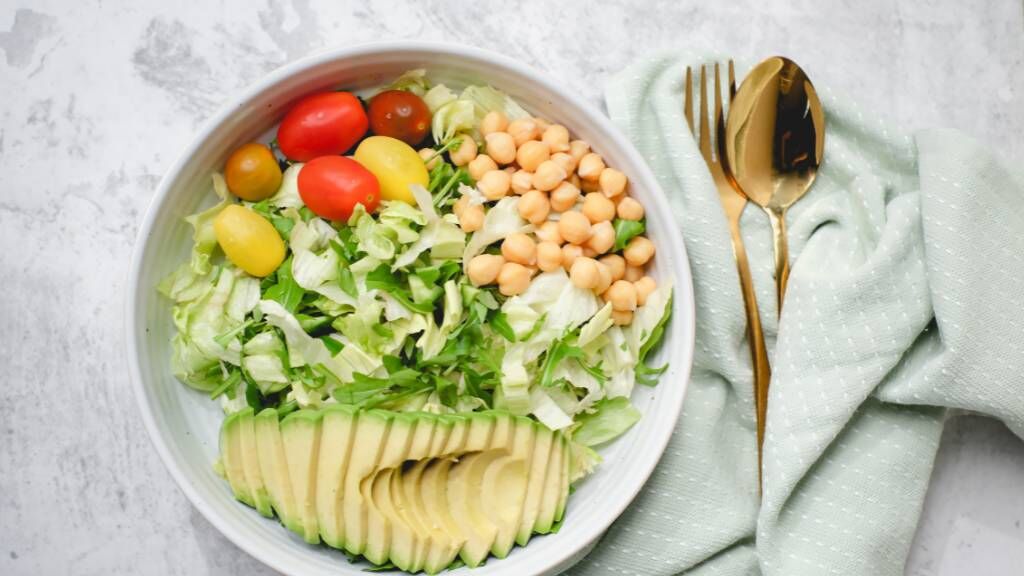
The Daniel Fast
The best-known diet among Christians is the Daniel Fast, which is based on the story of the biblical prophet Daniel, which took place in the 6th century B.C. The Hebrews were taken into captivity in Babylon, and according to the Bible, Daniel was among those captured, along with three close friends.
The captives were enrolled in royal training, and the Babylonian king provided them with fine foods from his own table. Daniel, however, refused to eat them, as he wished to avoid defiling himself with unclean foods.
He requested permission from the king for an alternative diet, consisting solely of water and vegetables. After ten days, Daniel and his friends demonstrated sharper intellectual acumen than the young men who partook in the royal delicacies; they also appeared healthier and more physically fit.
Daniel and his companions adhered to a diet free from meat, dairy, eggs, and alcohol, resembling the diet prescribed by the Creator in the Garden of Eden. The term ‘vegetables’ here is translated from the Hebrew word zeraim, which refers to seeds and agricultural produce, suggesting that Daniel’s diet included fruits, grains, and vegetables. Due to its lower calorie content, this plant-based diet is regarded as a form of fasting.
Hydration was also crucial in the Daniel Fast. It emphasised the consumption of still water and fresh juices, while avoiding beverages like coffee, tea, and alcohol.
The Daniel Fast permits the consumption of low-starch vegetables, such as beets, celery, carrots, horseradish, cabbage, leeks, and cucumbers, along with low-sugar fruits.
Conclusion
Scripture advocates an ideal diet that is primarily plant-based, closely reflecting modern vegan guidelines. The Bible underscores the importance of raw, minimally processed plant foods as the foundation of one’s diet. Incorporating fresh fruits, vegetables, nuts, seeds, and legumes offers essential nutrients and enhances bodily function. Embracing a biblical approach to diet can support overall health, and recent scientific findings increasingly affirm the Bible’s insights into nutritious eating.
By the way, we recommend reading the articles:
- Which is Greater – God or the Universe?
- The Fermi Paradox – Where Are They?
- Social Darwinism and Its Impact on Society
- Eugenics and Its Consequences
- Does the Bible Imply that the Earth is Flat?
Footnotes
- Radosh, A., (2018). Post Daniela i moc uzdrowienia. Znaki Czasu, (3), pp.28-30.
- Palla, A., Poradnik walki duchowej, n.d., p.22.
- Malkmus, G., Lecznicza dieta Alleluja. Warszawa: Vocatio, pp.57-65.
- Karpov, S., Zdrowe odżywianie i jego sekrety, n.d., p.46.
© Source of main image: Canva.

The portal EvolutionOfThinking.org, created by the Research and Education Institute, focuses on education and the dissemination of knowledge related to research on various aspects of human well-being.

