
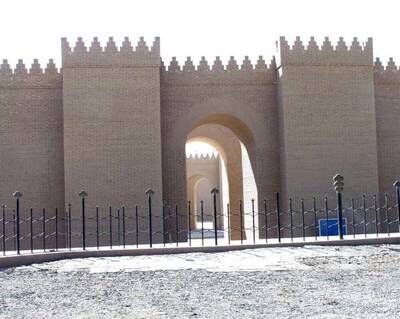
The Babylonian Exile, which saw the people of Judah forcibly relocated to Babylonia, stands as a key event supporting the predictions made by biblical prophets and, by extension, the credibility of the Bible itself.
The first deportation of the Judeans to Babylon occurred in 597 BCE, when Nebuchadnezzar looted the temple treasury and exiled prominent individuals, including King Jehoiachin and the prophet Ezekiel. In 586 BCE, he captured Jerusalem, destroyed the temple, and exiled the largest group of Judeans. The final deportation to Babylonia took place four years later.
Life in Babylonian Exile
Unlike the Assyrians, who relocated foreign populations into conquered regions, the Babylonians refrained from settling outsiders in Judah after the deportations. Judah was instead made a Babylonian province, governed by Gedaliah, who resided in Mizpah. Before Gedaliah could restore order to the devastated land, he was assassinated in a betrayal by Ishmael, a member of the royal family. This led the surviving Judeans to flee to Egypt, with the prophet Jeremiah reluctantly accompanying them.1
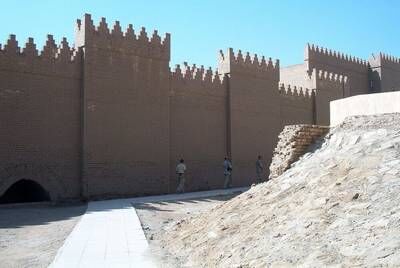
During the mid-6th century BCE, the Jewish community in Babylonia experienced a period of prosperity. Jeremiah had previously advised his fellow exiles to make Babylonia their permanent home and to adapt to their new circumstances the best that they could. The Jewish population primarily settled in towns and villages near the Kebar River canal, where they enjoyed relatively favourable treatment from the Babylonians.
King Jehoiachin, who had been taken captive, was released by King Amel-Marduk and granted a royal pension. He retained the title of ‘King of Judah’ and took on the responsibility of leading the council of elders, which was tasked with managing the affairs of the exiles. The exiles were able to acquire property, with some owning slaves, while others served as soldiers, officers in the Babylonian army, or held positions in the royal administration. Many of them leased royal land, and some became involved in significant financial activities. The Murashu family, for instance, controlled the largest private bank and trading house in Nippur.2
Religious Practices in Exile
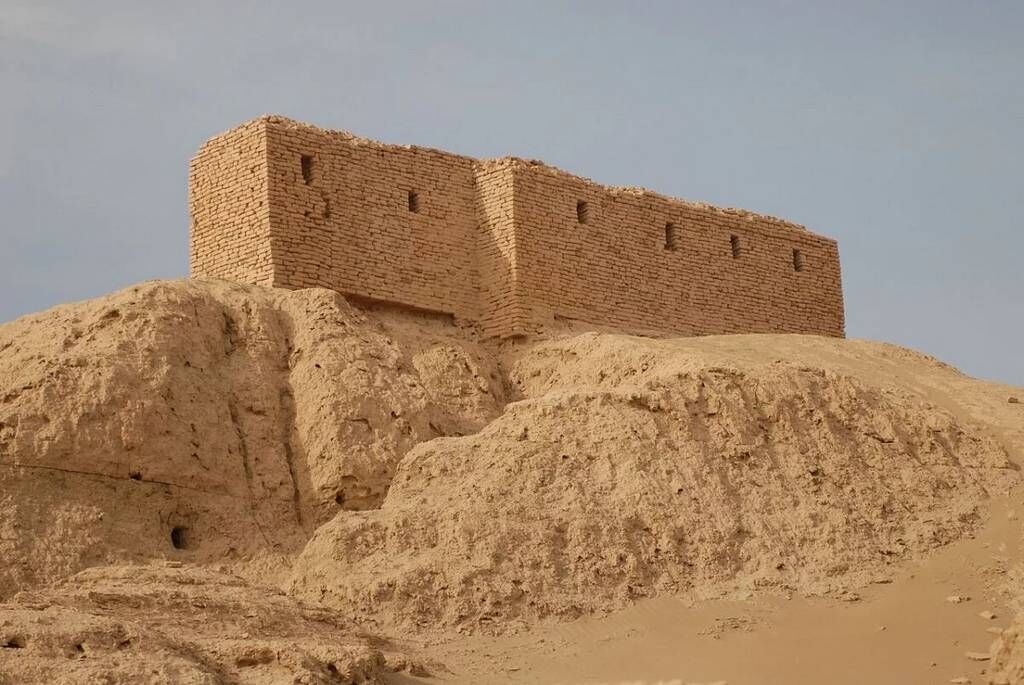
The Jewish exiles were permitted to preserve their religious practices and traditions. Unlike their ancestors in Judah, who had often been swayed by Canaanite religious influences, the Jews in Babylonia sought to remain separate from foreign beliefs and customs.
During this period, the prophet Ezekiel fulfilled his prophetic role. After being exiled to Babylonia in 597 BCE, he settled in Tel Abib, close to the Kebar canal. It was five years later that he began his ministry, which continued until around 570 BCE.3
One of the most notable figures during the exile was the prophet Daniel, likely a member of the royal family who was also taken captive. Over time, Daniel gained significant influence at the Babylonian court, rising to high positions due to his steadfast faith, moral character, and exceptional intellect. The precise length of his service as a minister and royal advisor remains uncertain, yet Daniel continued in his role even after the fall of Babylon, becoming the chief minister in the Persian administration. He lived into the third year of Cyrus’s reign, reaching approximately 90 years of age.4
The Fall of Babylon
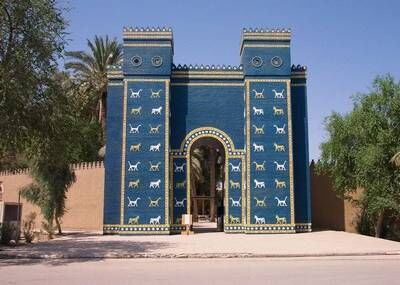
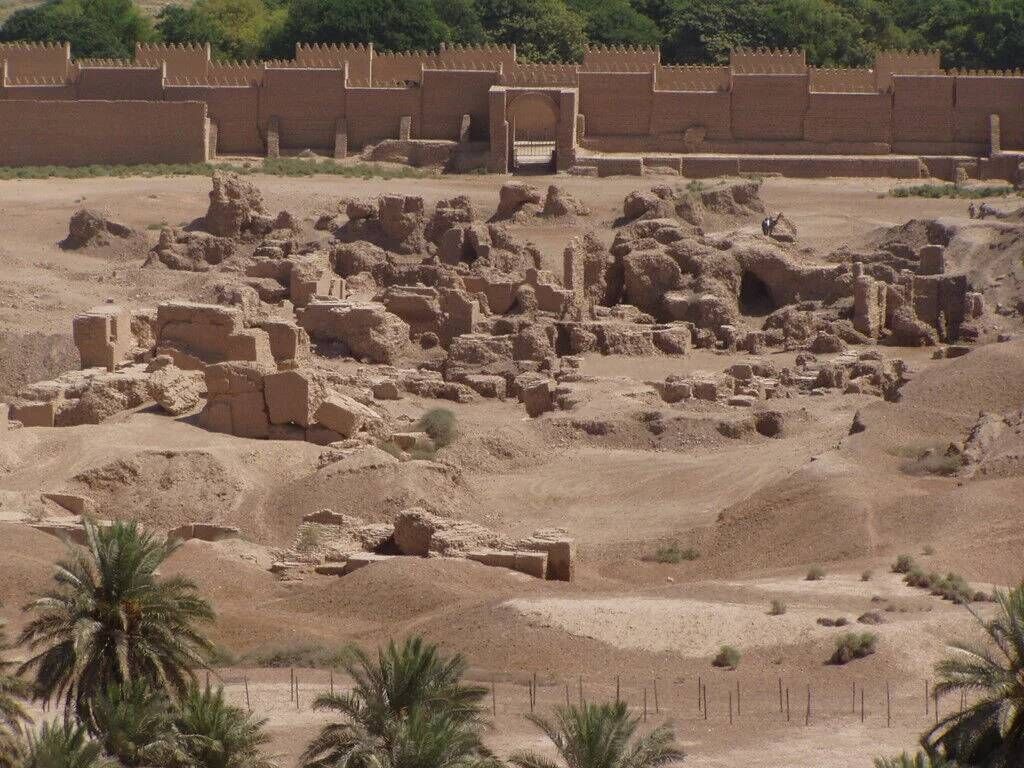
As had been prophesied, Babylon eventually fell. After Nebuchadnezzar’s death in 562 BCE, his son Amel-Marduk assumed the throne, reigning for three years before being assassinated by a group within the priesthood. His successor, Neriglissar (559–556 BCE), who was Nebuchadnezzar’s son-in-law, was followed by Labashi-Marduk, who ruled for just nine months before he, too, was murdered. The final ruler of Babylon was Nabonidus (555–539 BCE), who appointed his son Belshazzar to serve as co-regent.

‘Nabonidus, who showed greater interest in archaeology, ancient artifacts, temple construction, and literature than in governance, gradually alienated the population and lost the confidence of the elite, clergy, and military. Meanwhile, the Persian threat under Cyrus grew stronger as he successfully united Media and Persia, forming a powerful empire. The defences of Babylon proved insufficient, and Belshazzar, known for his excesses and lack of competence, was defeated at Opis and Sippar. In 539 BCE, Cyrus entered Babylon and established the foundation of a vast Persian empire, with its capital in Susa.’5
Cyrus and his successors pursued a policy of tolerance, permitting the Jews to return to Judah, which had become an autonomous province within the Persian Empire. This marked the end of the Babylonian Exile.
By the way, we recommend reading the articles:
- Does TRAPPIST-1 Harbor Extraterrestrial Life?
- Consciousness – A Mystery for Science, A Gift for Humanity
- Is the Biblical Age of the Universe Plausible?
- Did Kangaroos Evolve in Australia?
- Are There Planets Better Suited for Life Than Earth?
Footnotes
- The Bible, New King James Version, 1982, 2 Kings 25:25. See also Jeremiah 41–43.
- M.D. Coogan, Jews in Babylon, Biblical Archaeologist, XXXVII, 1974, pp. 6–12.
- M. Grant, Dzieje dawnego Izraela (History of Ancient Israel), Warsaw, 1991, p. 192.
- K. Bulli, Księga Daniela (The Book of Daniel), Warsaw, 1966, p. 9.
- K. Bulli, Księga Daniela, pp. 72–73.
© Main Photo: Kebar River. Source: the Bible Institute.

The portal EvolutionOfThinking.org, created by the Research and Education Institute, focuses on education and the dissemination of knowledge related to research on various aspects of human well-being.

